![13 Smart Wall Art Arrangement Ideas [Gallery Layouts]](https://zamiluxe.com/wp-content/uploads/2026/04/13-Smart-Wall-Art-Arrangement-Ideas-Gallery-Layouts.webp)
Creating the perfect wall art arrangement is like putting together a personal puzzle that reflects who you are. If you’ve been feeling that your walls are a bit bare or lack character, you’re not alone. Many people crave a more vibrant living space that showcases their personality and creativity. The great news is that you can turn any blank wall into a stunning focal point with the right *wall art arrangement ideas*.
This guide is for anyone who loves home decor and wants to curate a gallery wall that speaks to their unique style. Whether you live in a cozy apartment or a small house, finding ways to express your taste through art is essential. You care about how your space looks and feels, and you want it to be inviting. In this post, I’ve gathered 13 smart wall art arrangement ideas that are stylish, practical, and perfect for small spaces. You’ll discover layouts like the grid style, the minimalist approach, and the thematic collection, all designed to inspire and help you create that eye-catching gallery wall of your dreams.
Let’s dive into these creative wall decor ideas, so you can transform your space into a reflection of your personality and style. You’ll gain valuable tips on placement, layout, and how to mix different art styles successfully. By the end of this post, you’ll feel empowered to take on your wall and turn it into a piece of art itself!
Key Takeaways
– Discover diverse *wall art arrangement ideas* that suit small spaces and eclectic tastes.
– Learn about various *gallery wall design* styles, including the grid layout and salon style.
– Get practical *art placement tips* to create balance and visual interest on your walls.
– Explore creative wall decor options that incorporate different *wall art styles* for a unique look.
– Find inspiration to express your personality through thoughtful interior design choices.
1. The Grid Layout
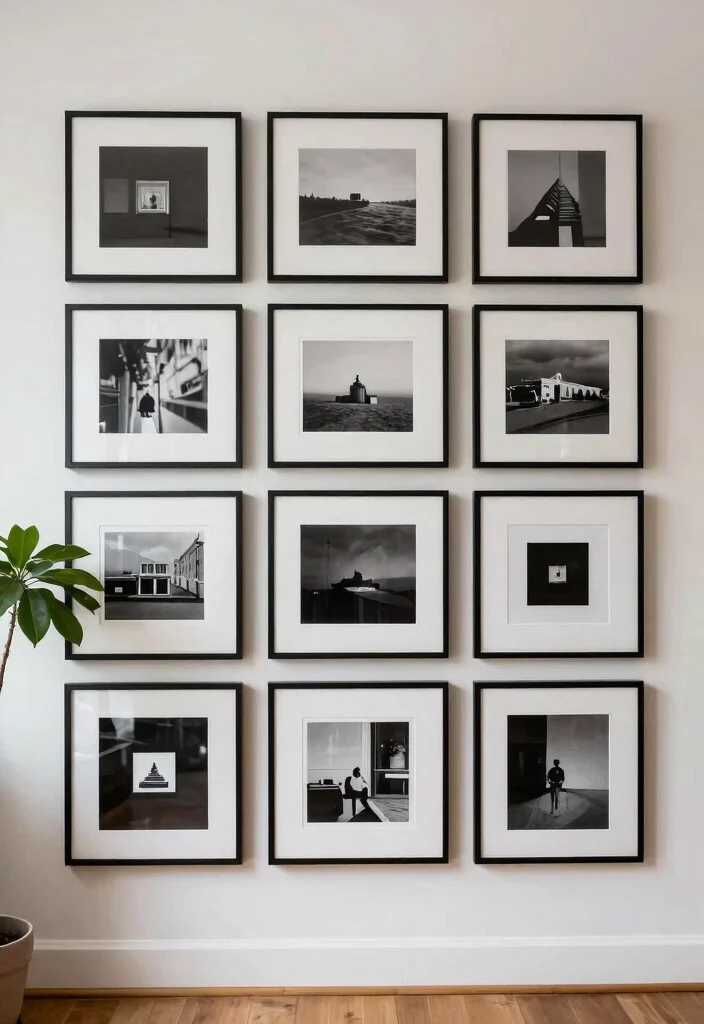
The grid layout is a classic that brings order and elegance to your wall. By aligning your wall art in a structured grid, you create a sense of visual harmony that feels both modern and timeless. This arrangement shines when using frames of the same size, guiding the viewer’s eye across the entire display rather than fixating on individual pieces.
To master this look, start by choosing artwork that resonates with you. Opt for frames that share a common color scheme to enhance cohesion. Carefully measure equal spacing between each piece to maintain a tidy appearance.
Tips for a successful grid layout:
– Use painter’s tape to outline the grid on the wall.
– Mix textures within the same color palette for added depth.
– Keep a consistent frame color for a unified aesthetic.
– Hang art at eye level for maximum impact.
This layout not only elevates the sophistication of your space but also visually expands smaller rooms, making them feel more open.
2. The Salon Style
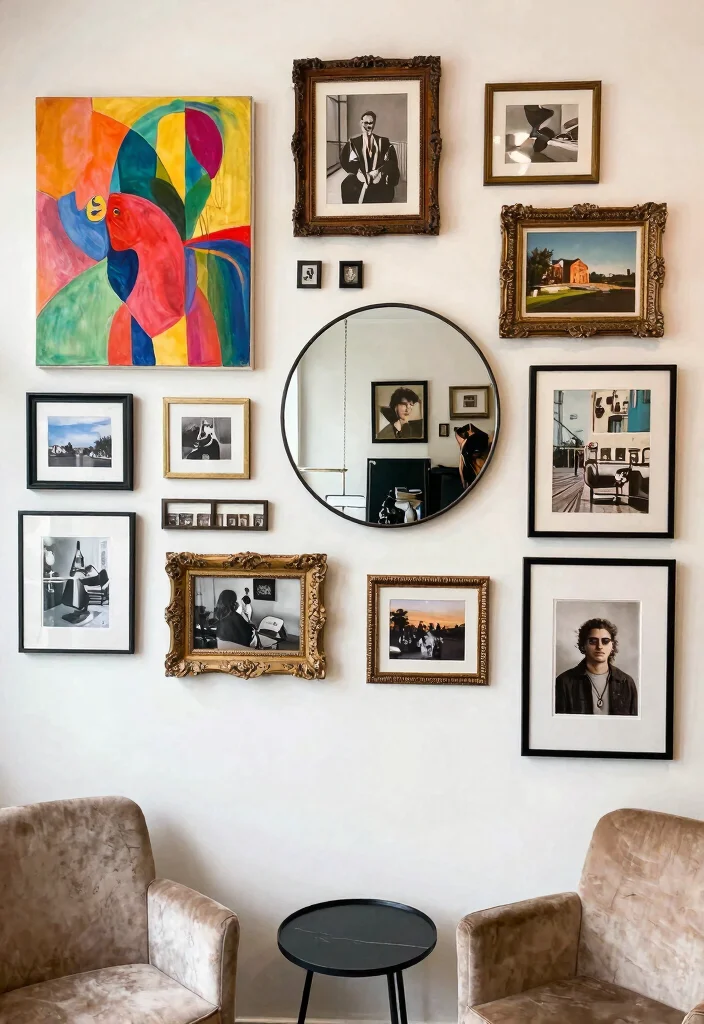
Salon style embraces a free-spirited, bohemian vibe by featuring an eclectic mix of art in various sizes and styles. This arrangement tells a unique story, showcasing your personality and diverse tastes through a curated collection. Begin by laying your pieces on the floor to visualize their arrangement before committing to the wall.
Feel free to overlap and angle artworks for added intrigue. This approach is all about creative freedom, so let your instincts guide you.
Art placement tips for salon style:
– Balance larger pieces with smaller ones to create harmony.
– Stick to a cohesive color scheme while varying frame styles.
– Incorporate mirrors or decorative objects to break up the art.
– Hang pieces at different heights for a dynamic display.
This artistic method is perfect for showcasing individuality, making even the smallest spaces feel inviting and personal.
3. The Ledge Display
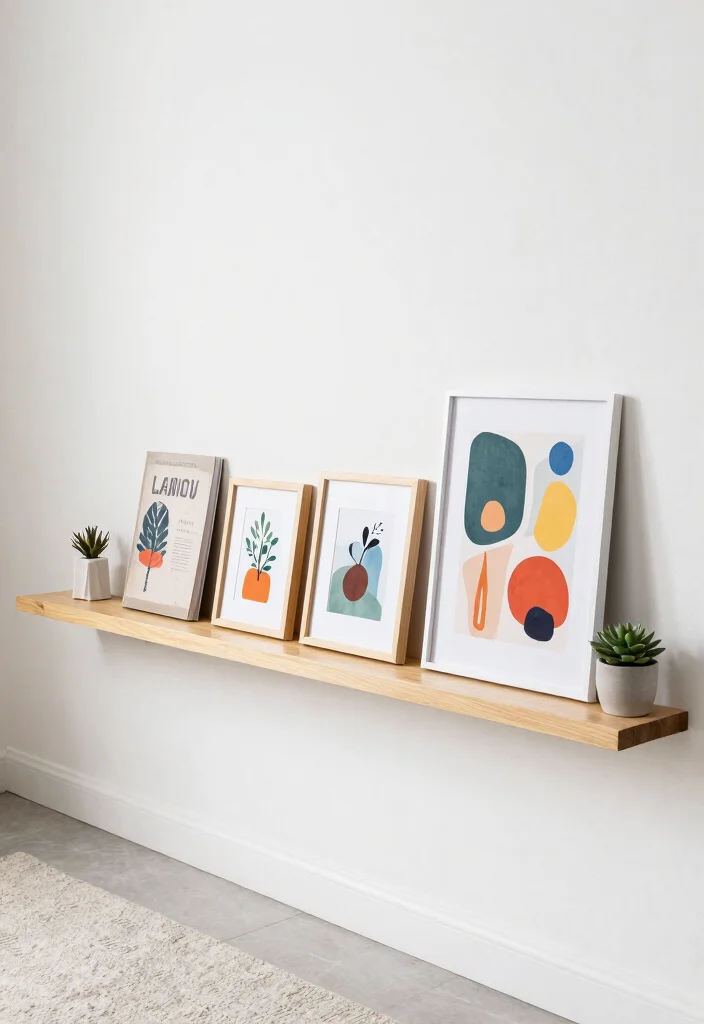
A ledge display is a stylish and practical choice for showcasing art, especially in compact spaces where wall damage is a concern. By using a narrow wall shelf, you can easily swap out pieces or rearrange them whenever inspiration strikes. Lean your artwork against the wall and layer them for visual depth while mixing in decorative elements like plants and books.
Installing the shelf at eye level ensures your art gets the attention it deserves. This method offers flexibility and creativity in how you display your collection.
Consider these tips:
– Place larger artworks at the back for a sense of depth.
– Use books or decorative items to create varying heights.
– Change your arrangement with the seasons for a fresh look.
– Ensure the shelf is secure enough to hold your items safely.
This method not only protects your art but also adds a playful and dynamic touch to your gallery wall.
How To Choose The Right Wall Art Arrangement
Choosing the perfect wall art arrangement can elevate your space and reflect your personal style. Here’s a guide to help you make informed decisions that will transform your walls into a stunning gallery.
1. Determine the Space Available
Start by measuring the wall where you want to display your art. Knowing the height and width of your space allows you to pick pieces that fit well. For small spaces, consider a gallery wall with smaller frames to create a sense of depth without overwhelming the area. A good rule of thumb is to leave 2-3 inches between each piece to maintain balance and flow.
2. Select a Theme or Color Palette
Choose a theme or color palette that resonates with you. This could be based on the room’s existing colors or an overarching style like modern, vintage, or bohemian. For instance, if your room features soft pastels, consider art pieces that complement those hues. A consistent theme makes the arrangement feel cohesive and intentional.
3. Decide on Frame Styles
The frames you select can greatly influence the overall look of your wall art. You might choose uniform frames for a clean, modern look, or mix and match different styles for an eclectic vibe. For a small space, stick to a few styles to maintain focus. Black, white, or natural wood frames often work well together, while metallic frames add a touch of elegance.
4. Consider the Art Placement
Think about how you want to arrange your art. Use different layouts like gallery style, grid, or salon style to see what fits best. Gallery walls can include varied sizes and shapes, while grid layouts work best with similarly sized pieces. If you’re uncertain, lay your pieces out on the floor first to visualize the arrangement before hanging them.
5. Balance Size and Scale
Mixing different sizes is key to an engaging arrangement. Start with a large piece as the focal point and surround it with smaller pieces. This creates a visual hierarchy that draws the eye. Ensure your largest piece is at eye level, as this is where viewers will naturally look first. If you prefer a minimalistic approach, one oversized artwork can become a statement piece all on its own.
6. Don’t Forget About Lighting
The right lighting can enhance your wall art, making colors pop and details visible. Consider using wall sconces, track lighting, or even natural light to illuminate your artwork. If you have a small space, good lighting helps make it feel larger and more inviting. Test different lighting angles to find the most flattering and effective placement.
Pro Tip:
Take photos of your arrangements from different angles before finalizing. This allows you to see how your choices work together and make adjustments as needed without having to physically move everything.
With these tips, you can create a stunning wall art arrangement that reflects your personality and style while maximizing your space. Happy decorating!
4. The Color Block
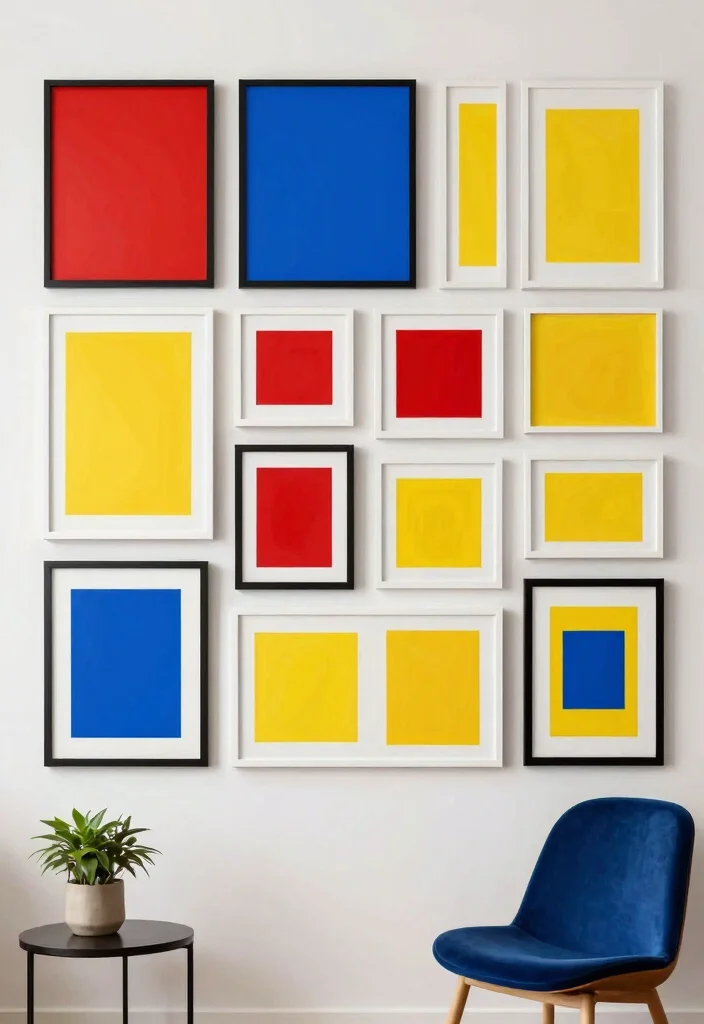
For a bold statement, consider a color block arrangement that groups artworks sharing a common color palette. This technique creates a harmonious and visually striking display, perfect for small areas. Start by selecting your favorite colors and finding artworks that complement them. You can use frames in coordinating shades or go for sleek white or black options to keep the focus on the art.
Mixing various shapes like squares and rectangles adds dynamism to the arrangement, making it visually captivating.
Art placement tips for color blocking:
– Experiment with shapes for added interest.
– Create a gradient effect to enhance flow in the display.
– Incorporate neutral pieces to let vibrant colors pop.
– Hang art in clusters or rows for a polished look.
This arrangement style adds a burst of personality, infusing energy into your small space.
Fun fact: a color block wall art arrangement can visually expand a small space by up to 20%. Stick to a shared palette and sleek frames to keep your wall art arrangement ideas calm and cohesive.
5. The Vertical Line Layout
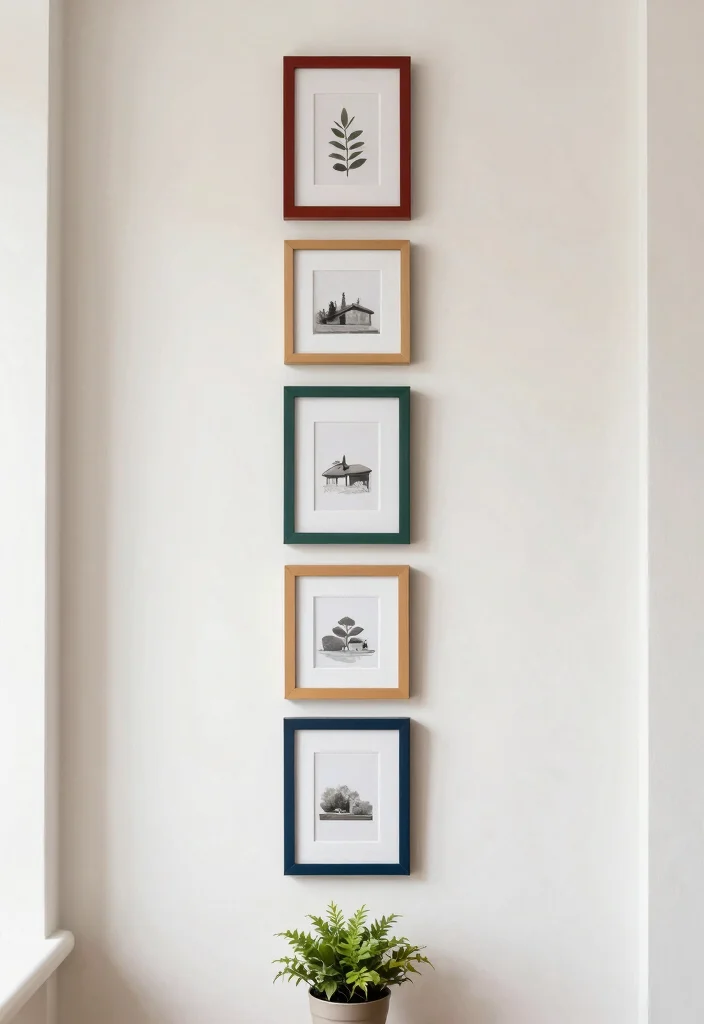
When floor space is limited, a vertical line layout can transform your walls. By hanging art in a straight line from top to bottom, you create an illusion of height, making the room feel more spacious. Choose art pieces that share a common theme or color palette for a cohesive appearance. Incorporating a mix of framed art and wall hangings adds variety to the display.
Align the tops of the frames for a clean look and leave enough space between pieces to avoid clutter.
Tips for a successful vertical layout:
– Ensure the top of the frames is aligned for uniformity.
– Use artworks of varying lengths for added interest.
– Maintain sufficient space to enhance visual clarity.
– Consider the room’s overall balance with other elements.
This arrangement is ideal for narrow hallways or cozy nooks, elevating your space while showcasing your art.
6. The Mix and Match
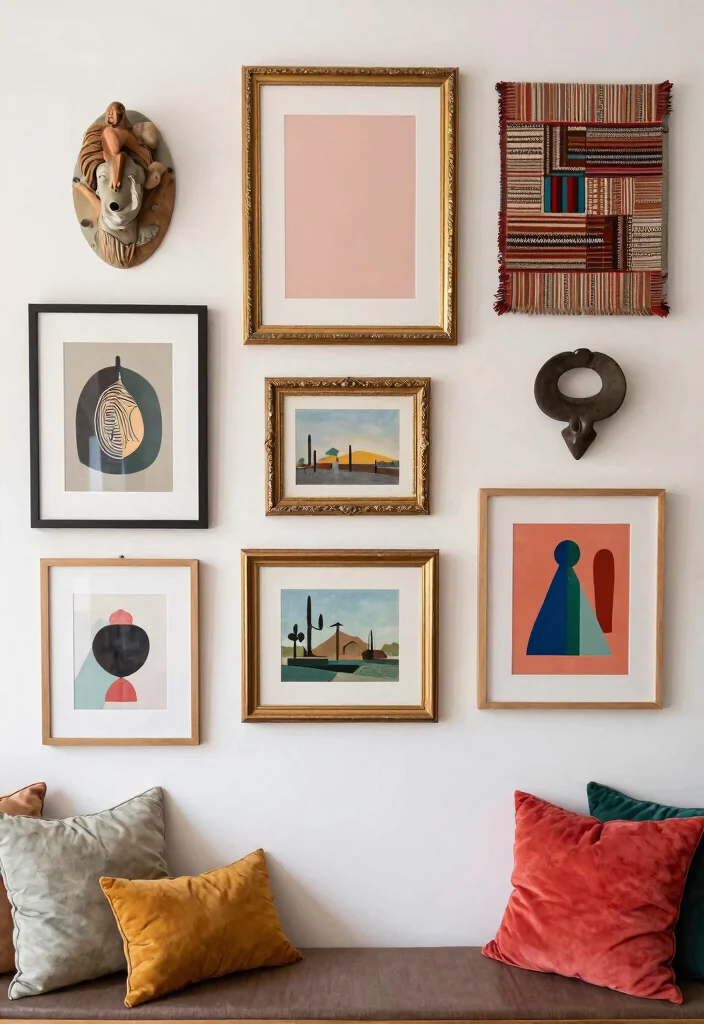
Mixing and matching various styles, colors, and textures can create a vibrant gallery wall reflective of your personality. This approach encourages creativity without the constraints of strict rules. Begin by collecting pieces that resonate with you—whether vintage finds or contemporary works—and lay them out on the floor to explore potential combinations.
Embrace the unexpected and let your arrangement evolve organically as you experiment with different placements.
Art placement tips for mix and match:
– Use a variety of frame styles for an eclectic look.
– Incorporate unique items like wall sculptures for added flair.
– Group similar colors or themes to create balance.
– Overlap pieces for a dynamic effect.
This style thrives in smaller spaces, allowing your wall to tell your unique story.
7. The Oversized Piece
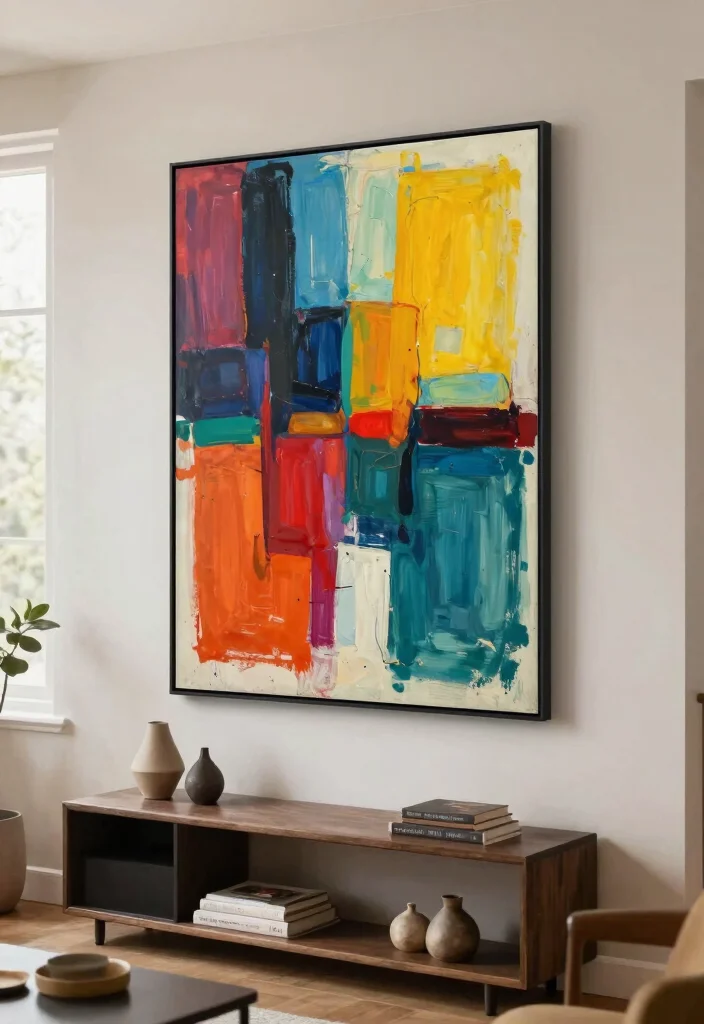
An oversized piece of art can make a stunning statement in a small room, drawing the eye and acting as a focal point. Choose a piece that resonates with your style and complements the room’s colors. A single large painting or photograph can fill a wall beautifully, eliminating the need for additional decor.
Position your artwork at eye level for the best effect, and keep surrounding decor minimal to let the piece truly shine.
Art placement tips for oversized pieces:
– Hang the artwork at eye level for maximum impact.
– Use minimal surrounding decor to avoid distraction.
– Choose a simple frame to complement the artwork.
– Add accent furniture below for balance.
This technique creates an elegant atmosphere, showcasing your personal style without cluttering the space.
8. The Combining Styles
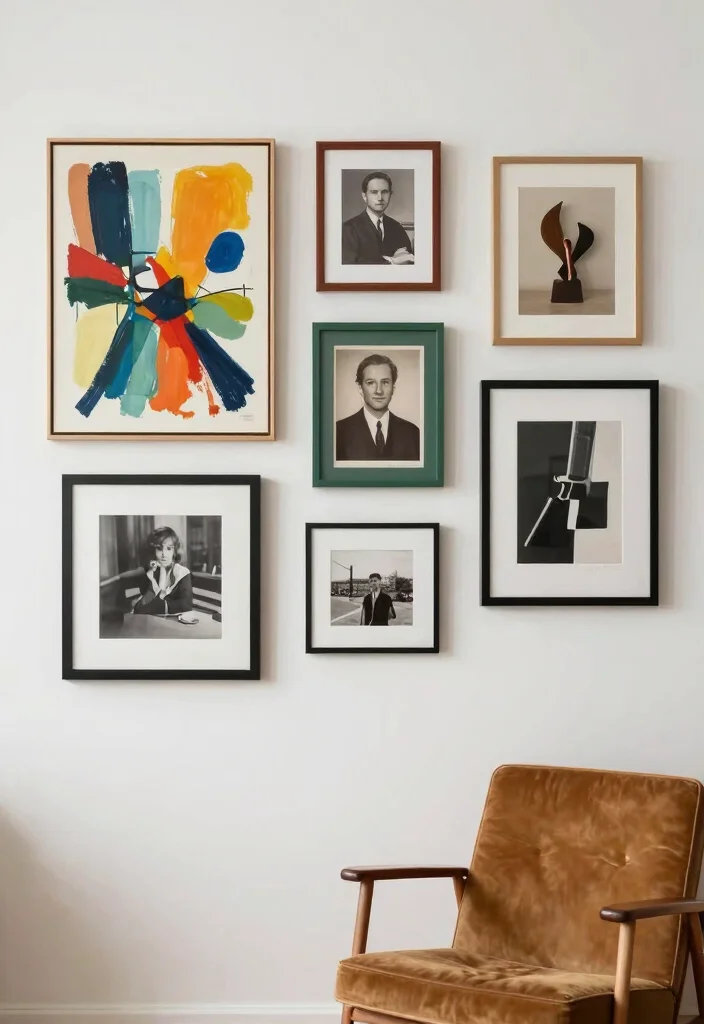
Combining different art styles can result in a captivating gallery wall that reflects your diverse taste. This approach allows you to merge modern and vintage pieces, photography and abstract art, creating a visually rich display. Choose a common theme—like color or subject matter—to tie the elements together and ensure a harmonious arrangement.
Begin by selecting your favorite pieces and experimenting with layouts until you find a design that feels right.
Art placement tips for combining styles:
– Anchor the display with one standout piece.
– Use complementary frames to unify the collection.
– Incorporate dimensional elements like 3D art for depth.
– Balance heavier pieces with lighter ones for visual harmony.
This method celebrates artistic diversity, making your small space feel vibrant and personalized.
9. The Minimalist Approach
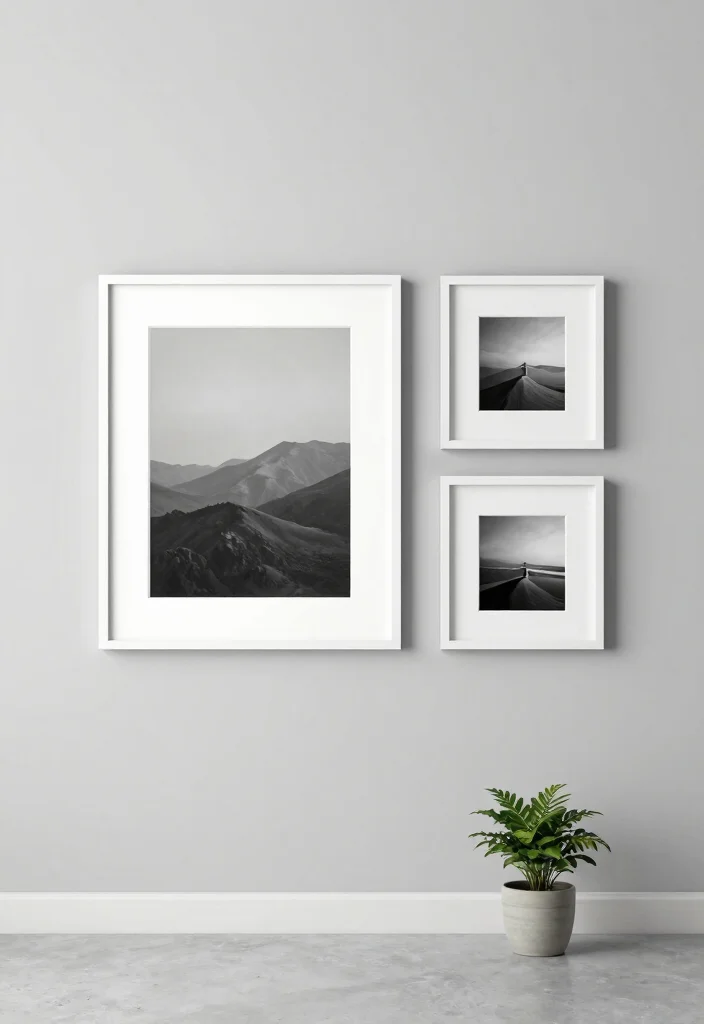
In small spaces, less can truly be more. A minimalist gallery wall focuses on a few select pieces, allowing each artwork to breathe and stand out. This style emphasizes simplicity, often featuring clean lines and subtle colors. Opt for a limited palette and simpler frames to create a cohesive aesthetic, positioning the art with ample surrounding space.
Choosing impactful artwork is key, as it should shine on its own without overwhelming the viewer.
Art placement tips for minimalist arrangements:
– Select art with strong visual appeal for maximum impact.
– Maintain a consistent theme with fewer frames.
– Utilize negative space to enhance focus on the art.
– Include one statement piece to create balance.
This arrangement is ideal for those who value simplicity, offering a serene and elegant ambiance.
10. The Thematic Collection
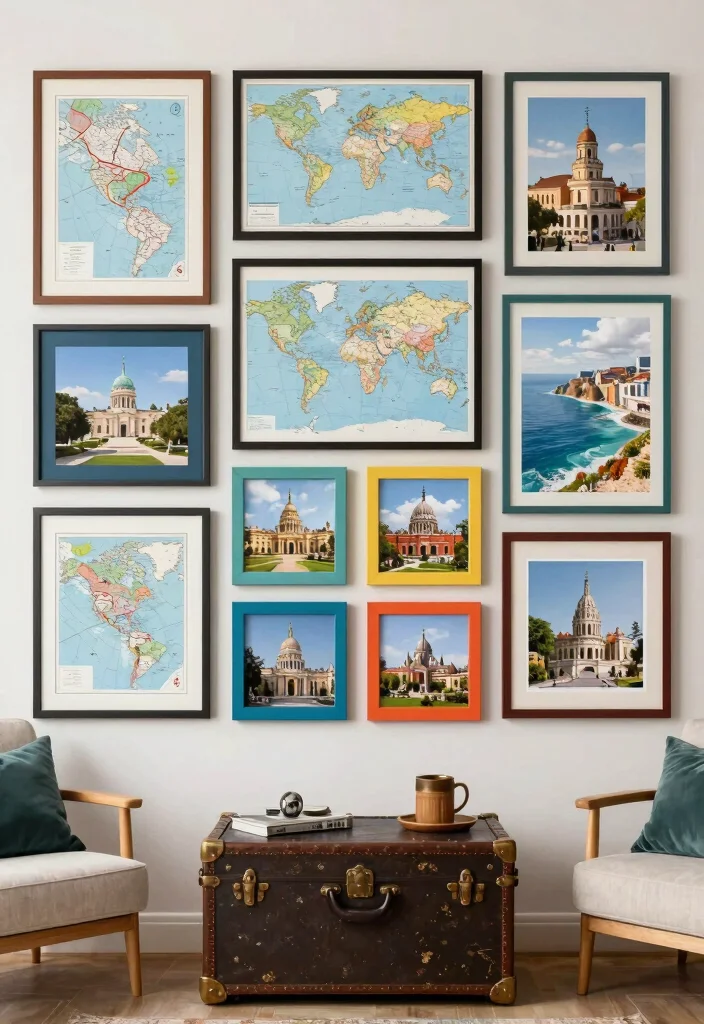
Creating a thematic collection can unify your gallery wall, telling a story through your art. Whether you focus on a specific color, subject, or style, a theme provides a clear and cohesive look. Reflect on what resonates with you—nature, travel, or meaningful quotes—and curate your pieces accordingly.
This method fosters a visually engaging space that invites conversation and reflects your personality.
Art placement tips for thematic collections:
– Choose a theme that aligns with your interests.
– Arrange pieces thoughtfully to highlight the theme.
– Incorporate varying frames while maintaining color harmony.
– Use labels or descriptions beneath pieces for added context.
This approach not only personalizes your space but gives it a gallery-like feel, making it truly unique.
A thematic collection turns a blank wall into a story you live with, balancing color, subject, and style. When your wall art arrangement ideas reflect what resonates: nature, travel, or quotes, the space feels personal, inviting conversation and daily inspiration.
11. The Textured Wall
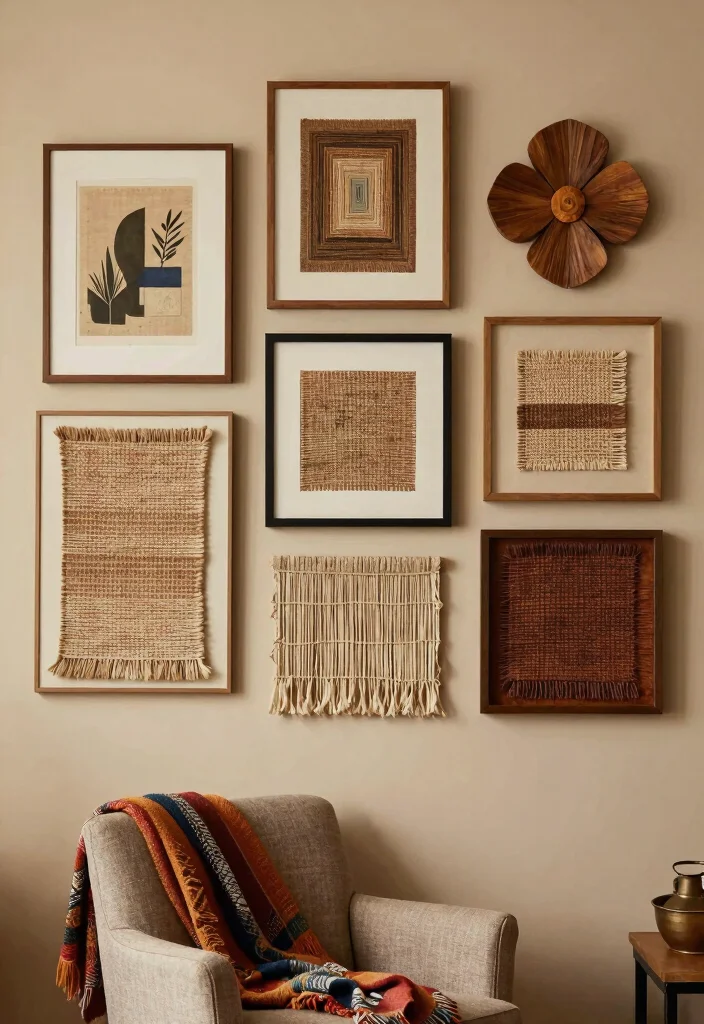
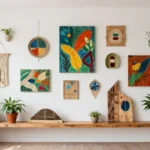
Incorporating texture into your gallery wall adds a captivating three-dimensional quality. This technique involves using various materials—such as fabric, wood, or metal—alongside traditional framed artwork. Textile art, woven pieces, or wooden panels can enhance the visual interest and tactile experience of the space.
Mixing framed pieces with texture-focused art creates variety in your display while ensuring a cohesive look.
Art placement tips for textured walls:
– Combine framed art with textured elements for depth.
– Use different depths in your arrangement for dimension.
– Stick to a color palette that works well with textures.
– Leave gaps between pieces to allow each element to shine.
This approach results in a layered, dynamic gallery wall that feels warm and inviting.
Texture makes a small space feel bigger and more inviting. Mix textile art, woven pieces, and wooden panels with framed art for a cohesive, tactile gallery. Pro tip: start with one textured piece and build your wall art arrangement ideas from there.
12. The Collage Frame
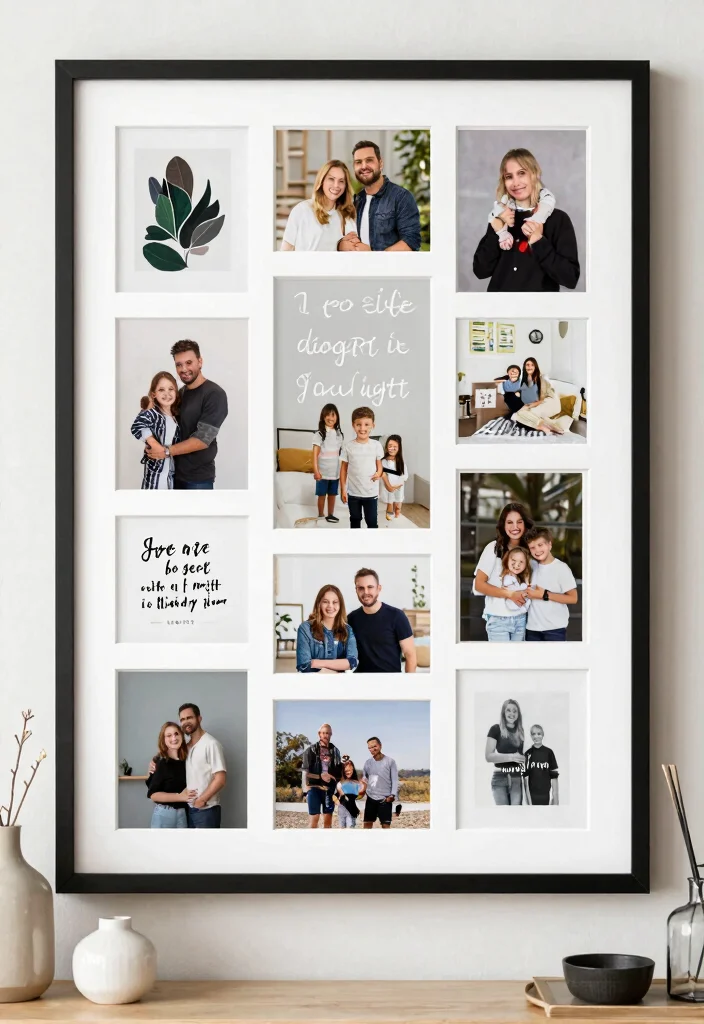
Collage frames are a fun way to display multiple pieces in a cohesive manner. This method creates a mini-gallery within a single frame or a set of frames, making it perfect for small spaces. You can opt for pre-made collage frames or create your own by grouping smaller artworks together.
Fill these frames with a mix of photos, quotes, and art that resonate with you for a personalized touch.
Art placement tips for collage frames:
– Select artwork that fits the collage theme.
– Use backgrounds or mats in similar colors for unity.
– Experiment with arrangements before finalizing.
– Position the collage at eye level for optimal impact.
This technique maximizes space while adding a personal flair to your wall decor.
13. The Seasonal Rotation
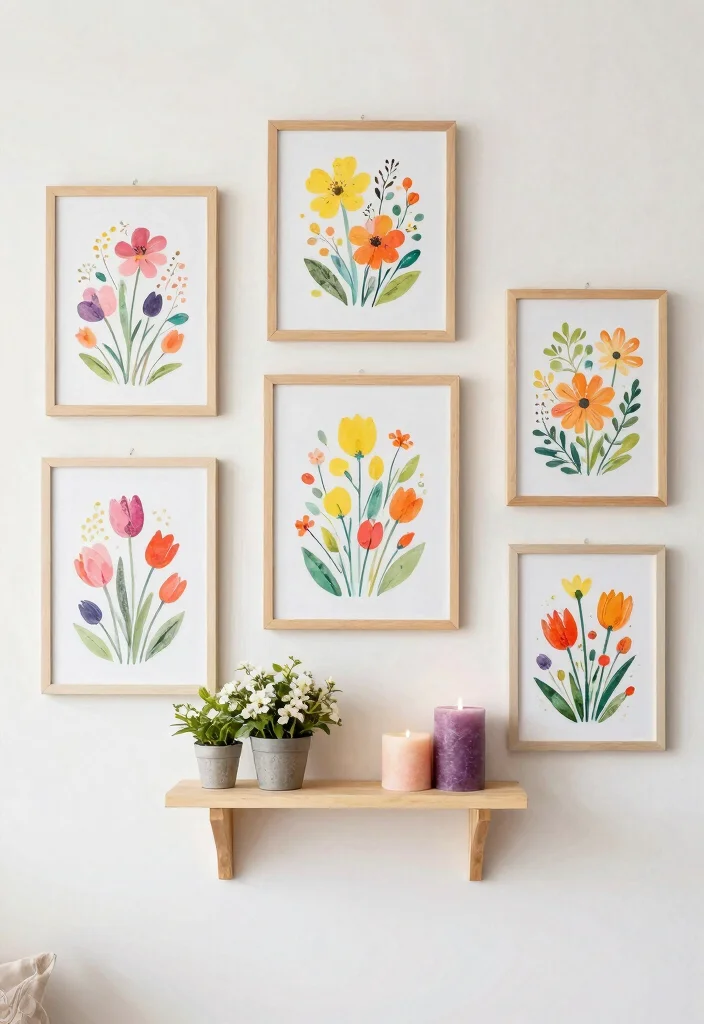
Rotating your wall art seasonally keeps your space feeling fresh and exciting. This approach allows you to showcase different styles and colors throughout the year, making your gallery wall a dynamic feature. Choose artworks that reflect the seasons—floral prints for spring, beach themes for summer, and warm tones for fall—to create a cozy atmosphere.
This not only updates your decor but can also uplift your mood throughout the year.
Art placement tips for seasonal rotation:
– Store off-season pieces safely to preserve them.
– Keep a consistent layout for easy switching.
– Display seasonal decor alongside your art for a festive touch.
– Engage friends or family to swap pieces creatively.
This approach is perfect for small spaces, allowing for creativity and change while maintaining warmth and coziness.
Conclusion
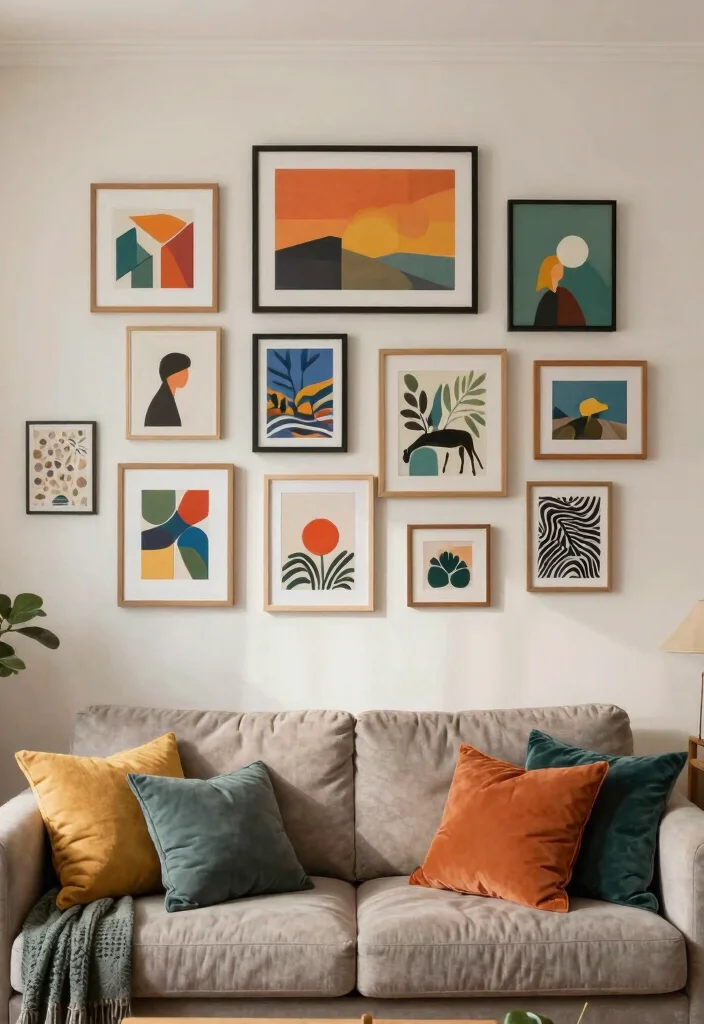
Embracing a gallery wall in your small space is an invitation to express your creativity and uniqueness. Each arrangement idea brings a different vibe, from structured grids to playful salon styles, allowing you to curate an environment that reflects who you are.
Experiment with these wall art arrangement ideas, and don’t hesitate to mix styles and themes to truly make it yours. Whether it’s a bold statement piece or a whimsical collage, your walls can become a canvas of inspiration and warmth.
Note: We aim to provide accurate product links, but some may occasionally expire or become unavailable. If this happens, please search directly on Amazon for the product or a suitable alternative.
This post contains Amazon affiliate links, meaning we may earn a small commission if you purchase through our links, at no extra cost to you.
Frequently Asked Questions
What are the essential steps to create a cohesive gallery wall in a small space?
Start with a clear concept for your wall art arrangement ideas—monochrome, color block, or a texture rich eclectic mix.
Pull pieces that fit that concept and pick a unifying detail like the frame finish or matting.
Create a floor plan using paper templates cut to scale to test spacing and balance before you drill.
Choose a gallery wall design that fits a small space, such as a grid, a salon style, or a hybrid, and hang at eye level with evenly spaced gaps.
How can I mix different wall art styles for an eclectic gallery wall without feeling chaotic?
Eclectic gallery walls shine when you tie diverse wall art styles together with a shared thread like color palette or frame finish.
Group pieces in similar sizes and create a rhythm by alternating large and small frames to guide the eye smoothly.
Use a few supporting elements like mirrors or textiles to bridge styles and keep the interior design inspired mood cohesive.
Test your layout by laying pieces on the floor or taping outlines on the wall before hanging.
What is the best way to place and space frames for a gallery wall in a small room?
Start with a grid like layout to keep a tight space looking organized.
Maintain consistent spacing of about 2 to 4 inches between frames to create a unified read of the display—this is a key art placement tips practice.
Mix orientations but keep frames in the same family of finishes to preserve the gallery wall design feel and avoid visual chaos.
Use painter tape and a level to mark anchor points on the wall before hanging.
How can I test and plan a gallery wall layout before drilling holes?
Do a dry run with paper templates that are scaled to each frame size to represent your upcoming wall art arrangement ideas.
Arrange them on the floor, photograph your favorite configuration, and compare angles and balance.
On the wall, map the layout with painter tape to confirm eye level height and clearance with furniture before you make any holes.
Then transfer measurements and hang with confidence.
What lighting and color choices enhance wall art arrangement ideas in small spaces?
Choose warm lighting to bring color to your wall art styles and reduce harsh glare on glossy surfaces.
Use adjustable picture lights or wall sconces to highlight focal pieces without cluttering the look.
Keep the backdrop neutral or create a subtle accent wall to anchor the gallery and let the art pop—this aligns with your interior design inspiration.
Reinforce cohesion with frame and mat color that tie back to your overall wall decor theme.
![9 Cozy Fall Tumbler Ideas [Pumpkin Spice Vibes]](https://zamiluxe.com/wp-content/uploads/2026/04/9-Cozy-Fall-Tumbler-Ideas-Pumpkin-Spice-Vibes-150x150.webp)
![15 Custom In Wall Shelf Ideas [Built In Niches]](https://zamiluxe.com/wp-content/uploads/2026/04/15-Custom-In-Wall-Shelf-Ideas-Built-In-Niches-150x150.webp)